Designing the Perfect Personalized Fresh Boxes: A Progressive Guide
Developing custom produce boxes needs a strategic strategy. Experts must evaluate sustainability, functionality, and visual appeal. Choosing the suitable components is crucial for preserving freshness and advancing eco-friendly methods. Additionally, size and configuration can significantly impact usability and transport efficiency. Effective visual elements enhance company recognition, while thorough assessment ensures durability. Understanding these elements will reveal vital insights into producing standout packaging approaches that appeal to consumers. What comes next is essential to accomplishing those targets.
Selecting the Appropriate Supplies for Custom Produce Boxes
When evaluating materials for custom produce boxes, it is important to examine both usefulness and eco-friendliness. The selection of material significantly determines the box's strength, weight, and capacity to protect the contents. Common materials feature corrugated cardboard, which offers strength and is environmentally recyclable, making it a popular choice for green-minded businesses. Compostable options, such as molded pulp or plant-based plastics, also promote sustainable practices while delivering adequate protection for delicate produce.
Moreover, moisture resistance is indispensable for keeping quality consistent, driving some producers to investigate treated materials or particular protective applications. The aesthetic appeal of the box deserves consideration, since brand positioning and graphical elements can determine buyer perspective. Ultimately, the appropriate material should equilibrate between protecting the produce, appealing to customers, and meeting ecological requirements, confirming that performance and sustainable practices are emphasized within the design process.
How to Identify the Right Size and Shape for Functionality?
When selecting the form and dimensions of custom produce boxes, thorough evaluation of produce dimensions is crucial for proper storage. Additionally, considerations for movement and transportation can impact the box structure, guaranteeing ease of movement. Optimizing shelf space usage further improves functionality, enabling effective presentation and organization.
Assess Produce Dimensions Carefully
Determining the proper size and shape for produce boxes is important for smooth operations and productivity. Careful measurement of produce dimensions is necessary, as it makes sure that items fit tightly without extra room that might create damage during storage or transport. Made-to-order containers need to support multiple shapes, from soft berries to large vegetables, while maintaining robustness. Additionally, the height and width of the boxes should support proper layering and inventory learn the details control, optimizing space in warehouse spaces. A quality-built box not only preserves the produce but also boosts market presentation for shoppers. Ultimately, meticulous planning of dimensions supports waste prevention and improving supply chain experience in the product distribution.
Assess Handling and Transport
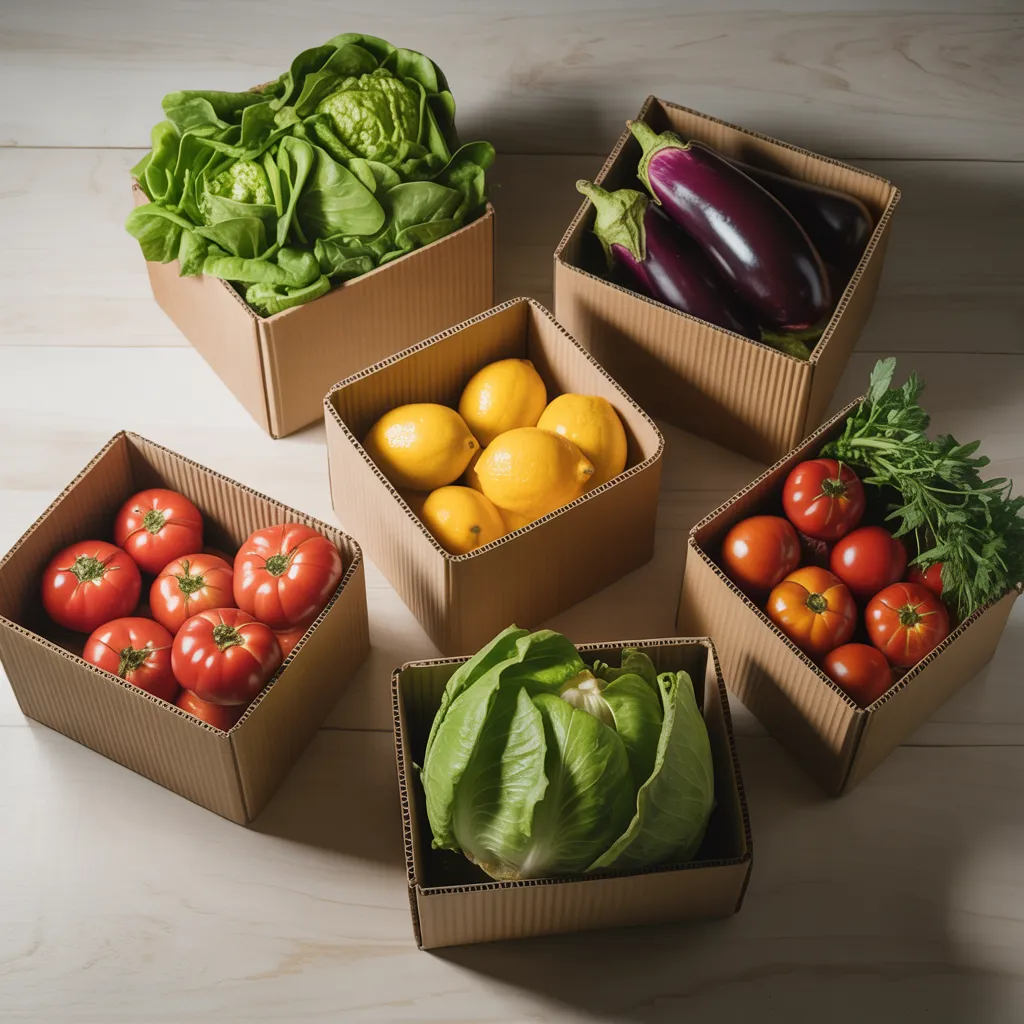
Handling and shipping considerations play a significant role in determining the suitable size and shape of custom produce boxes. The dimensions must accommodate the produce without unnecessary space, which could lead to movement and damage during transport. Smaller, compact boxes facilitate simpler handling, while larger boxes may be required for larger items. Additionally, ergonomic design is crucial; handles or openings should be carefully placed to enable easy lifting and carrying. The shape of the box also affects stacking and stability, guaranteeing that products remain secure. Ultimately, thoughtful evaluation of these elements enhances the effectiveness of shipping, minimizes product loss, and maintains the overall quality of the produce from farm to consumer.
Optimize Shelf Space Utilization
Efficient shelf space usage relies upon choosing the right size and shape of tailored fruit and vegetable containers. Designers should consider the dimensions of the storage racks as well as the types of produce being stored. Square-sided boxes often optimize space efficiency, enabling for easier arrangement and organization. On the other hand, unique shapes can improve aesthetic attractiveness but may result in unused areas if not carefully planned.
It's important to examine the stock circulation rate; rapidly-moving items might profit from smaller, conveniently positioned boxes. Also, adopting adjustable or flexible frameworks can facilitate different sizes of items while improving shelf organization. By emphasizing functionality and aesthetic considerations, businesses can fashion a practical and attractive display that elevates both product access and market presence.
How to Produce Graphics That Seize Attention?
Compelling graphics can transform a plain custom produce box into a visual masterpiece that attracts notice. To achieve this, designers should start by picking a color combination that conveys the vigor and brightness of the produce. Luminous, eye-catching colors can awaken impressions of freshness and wellbeing, compelling consumers to take a further look.
Strong typefaces is also essential; readable typefaces can effectively communicate key details while enhancing design attractiveness. In addition, employing superior photographs of the produce can form instant engagement, highlighting the item's caliber and compelling potential buyers.
Furthermore, incorporating distinctive designs and visuals can help distinguish the brand in a competitive market. Uniformity in visual components, such as logos and taglines, reinforces brand identity. Ultimately, a combination of creativity and clarity in visual design can greatly enhance the impact of custom produce boxes, making them stand out on shelves.
Eco-Friendly Practices for Custom Produce Box Packaging Solutions
An growing number of businesses are implementing sustainable solutions for custom produce box packaging, acknowledging its importance in today's green-minded market. These practices often involve the use of compostable materials, such as recycled paper and plant-based plastics, which minimize environmental impact. Companies are also directing attention on sustainable sourcing, ensuring that materials are obtained from responsibly managed forests or suppliers who champion environmental stewardship.
Additionally, many brands are selecting minimalistic layouts that decrease waste while still successfully showcasing their products. This approach not only appeals to eco-conscious consumers but also aids in cutting down production costs. Moreover, businesses are increasingly implementing streamlined manufacturing processes that restrict energy consumption and waste generation. By incorporating these sustainable practices, companies not only improve their brand image but also contribute positively to the planet, aligning their operations with a sustainable future.
Examine Your Custom Produce Box Structure
Testing the design of bespoke vegetable packaging is an significant phase in confirming they meet both aesthetic and functional standards. This process usually involves studying factors such as durability, size, and practical use. First, working models need to be developed to evaluate the package's structural integrity, making sure it is able to handle transportation and preservation without compromising the contents.
Following this, user testing sessions can be carried out to measure how readily the boxes can be unfastened, closed, and layered. Suggestions from target consumers can be essential in this phase, sharing understanding of the box's practicality.
Additionally, the design's visual appeal should be examined through focus groups or surveys, gauging consumer reactions to brand design elements, colors, and total visual presentation.
Ultimately, extensive testing enables designers to refine the box, ensuring it not only attracts customers but also effectively protects and presents the produce within, striking the right equilibrium between form and function.
Successfully Market Your Made-to-Order Produce Boxes
Effective advertising of custom vegetable containers calls for a well-planned strategy that highlights their unique features and benefits. Organizations should prioritize identifying their intended customers, such as local farms, grocery stores, or individual consumers. Harnessing social networking sites can amplify market visibility, displaying the boxes' appearance and functionality through compelling visuals and storytelling.
Furthermore, working alongside local influencers or farmers can boost credibility and widen reach. Introducing promotions or discounts during seasonal peaks can pull in new customers and foster repeat business.
Additionally, emphasizing sustainability and eco-friendliness in promotional content can resonate with eco-aware buyers. Providing detailed information about the materials used and the advantages of custom packaging can further differentiate the product in a crowded marketplace.
In the end, a extensive marketing strategy that merges internet-based and grassroots undertakings will efficiently market custom produce boxes, engaging a diverse clientele and driving sales.
Often Asked Queries
What Expenses are Involved in Custom Produce Box Design?
Costs related to custom produce box design include raw materials, print work, labor, and delivery. Additionally, design services and minimum order quantities can impact overall expenses, leading to different prices based on specific requirements and production scale.
How Long Does Production of Custom Boxes Take?
Manufacturing of custom boxes generally requires two to six weeks. Key factors affecting this schedule encompass design complexity, materials availability, and production capacity, all of which can influence shipping timelines and delivery windows.
Is it Feasible to Buy a Modest Volume of Tailored Produce Boxes?
Yes, modest quantities of custom produce boxes can usually be ordered. Many distributors provide base purchase minimums, allowing businesses or individuals to obtain tailored packaging options without having to commit to large volumes at the start.
What Frequent Mistakes Should You Avoid When Creating Bespoke Packaging?
Typical pitfalls in custom box development consist of neglecting functionality, ignoring brand consistency, underestimating material quality, not taking into account target audience preferences, and neglecting environmental impact. Each aspect is indispensable for successful packaging and customer satisfaction.
What Steps Should I Take to Verify My Boxes Are Food-Safe?
To ensure boxes maintain food-safe standards, individuals must pick compounds approved for food contact, eliminate harmful inks and adhesives, sustain cleanliness during production, and routinely evaluate for compliance with health regulations and safety standards.